Anxiety symptoms are far more than “just worrying.” For many people, anxiety shows up as a racing heart, a tight chest, or waking up feeling uneasy before the day has even started. Anxiety is a normal human response to stress, but when it becomes frequent, intense or hard to control, it may point to an anxiety disorder rather than everyday nerves.
According to the National Institute of Mental Health, roughly a third of adults will experience an anxiety disorder at some point in their life, making it one of the most common mental health conditions worldwide. At Sua Clínica, we see people every week who are struggling to make sense of their anxiety symptoms, often without realising that what they’re feeling has a name, a cause, and effective treatment options.
This article walks through the most common anxiety symptoms, what causes them, how an anxiety attack differs from an anxiety disorder, and the treatment options, from anxiety drugs to breathing techniques, that can help you feel like yourself again.
What Are Anxiety Symptoms?
Anxiety symptoms generally fall into two categories: psychological and physical.
Psychological symptoms include:
- Persistent worry or dread that’s hard to switch off
- Feeling on edge, irritable or restless
- Difficulty concentrating
- Racing or intrusive thoughts
- A sense of impending danger or doom
Physical symptoms are just as real, even though they’re often mistaken for a separate medical problem. According to the Mayo Clinic, common physical signs include a rapid heartbeat, sweating, trembling, shortness of breath, muscle tension and stomach upset. These anxiety physical symptoms happen because your nervous system has switched into “fight or flight” mode, flooding your body with adrenaline even when there’s no real danger present.
Anxiety Physical Symptoms Explained: Chest Pain and More
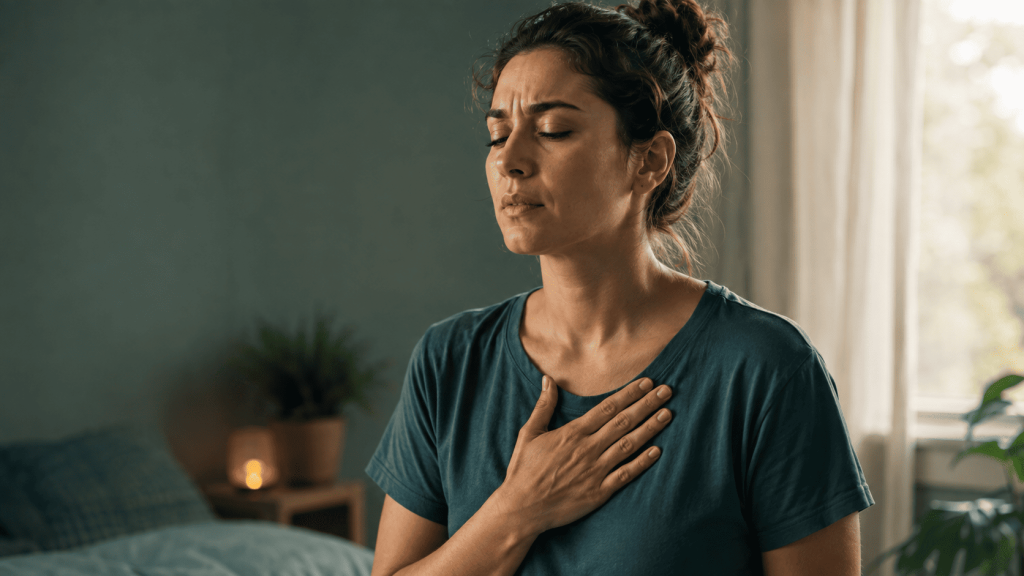
One of the most frightening anxiety symptoms is chest pain. Anxiety chest pain can feel sharp, tight or crushing, and it’s completely understandable to worry it might be a heart problem. In most cases, anxiety-related chest pain is caused by muscle tension and rapid, shallow breathing rather than a cardiac issue, but any new or unusual chest pain should always be checked by a doctor first, so a genuine heart problem can be ruled out.
Other common physical anxiety symptoms include a pounding heart, dizziness, tingling in the hands or feet, dry mouth, nausea and disturbed sleep. The Cleveland Clinic notes that these physical symptoms can appear even when there’s no obvious external trigger, which often makes anxiety feel more confusing and frightening than other health conditions.
Anxiety Attack vs Anxiety Disorder: What’s the Difference?
It’s easy to use “anxiety attack” and “anxiety disorder” interchangeably, but they describe different things.
An anxiety attack (sometimes called a panic attack) is a sudden, intense episode of fear that peaks within minutes. During an attack, you might experience a pounding heart, breathlessness, chest pain, trembling, and an overwhelming feeling that something terrible is about to happen. These episodes are frightening, but they’re not dangerous in themselves and typically pass within twenty to thirty minutes.
An anxiety disorder, on the other hand, is an ongoing mental health condition. Rather than a single episode, it involves persistent, excessive worry or fear that interferes with daily life, relationships or work over a period of months. Generalised anxiety disorder, social anxiety disorder, panic disorder and specific phobias are all recognised types of anxiety disorder.
You can experience occasional anxiety attacks without having a diagnosed anxiety disorder, but frequent or unexpected attacks are often a sign that an underlying disorder needs professional attention.
Why Do I Wake Up With Anxiety?
If you often wake up with anxiety before you’ve even opened your eyes properly, you’re not alone. Many people notice their anxiety symptoms are strongest first thing in the morning, when cortisol, the body’s main stress hormone, is naturally at its highest.
Morning anxiety can also build up overnight from unresolved worries, poor sleep quality, or an irregular sleep schedule. If you consistently wake up with a racing heart, tight chest or immediate sense of dread, it’s worth mentioning this pattern to a healthcare professional, as it can offer useful clues about what’s driving your anxiety.
What Causes Anxiety Disorder?
Researchers don’t yet know one single cause of anxiety disorder, but several factors are known to play a role, as outlined by the Cleveland Clinic and Medscape:
- Brain chemistry: neurotransmitters such as serotonin, dopamine and GABA help regulate mood and fear responses; imbalances in these chemicals are linked to anxiety
- Brain structure: the amygdala, the brain’s fear centre, tends to be more reactive in people with anxiety disorders
- Genetics: anxiety disorders often run in families, suggesting an inherited vulnerability
- Life experiences: prolonged stress, trauma, or a major life change can trigger an anxiety disorder in someone who’s already prone to it
- Physical health: certain medical conditions, such as thyroid problems or heart disease, and some medications can cause or worsen anxiety symptoms
How Is Anxiety Diagnosed? Taking an Anxiety Test
There’s no blood test or scan that can diagnose an anxiety disorder on its own. Instead, a doctor or mental health professional will typically start with a physical examination to rule out other causes, then use a structured anxiety test or clinical interview to assess your symptoms, how long they’ve lasted, and how much they affect your daily life.
These assessments help determine which type of anxiety disorder, if any, best explains what you’re experiencing, and they form the basis for an effective, tailored treatment plan.
Anxiety Treatment Options
The good news is that anxiety symptoms are highly treatable. Most anxiety treatment plans combine psychotherapy with lifestyle changes, and sometimes medication, depending on how severe your symptoms are.
Anxiety Drugs and Pills
For moderate to severe anxiety, a doctor may prescribe anxiety drugs alongside therapy. Common categories include antidepressants (such as SSRIs), which are often the first choice for long-term anxiety management, and benzodiazepines, which work quickly but are generally only prescribed short-term due to the risk of tolerance and dependence. Beta-blockers may also be used to ease physical symptoms like a racing heart.
Anxiety pills should always be prescribed and monitored by a qualified doctor. Never start, stop or change a dose without medical guidance, since doing so can cause withdrawal effects or a return of symptoms.
Anxiety Attack Treatment: What Helps in the Moment
If you’re in the middle of an anxiety attack, a few simple strategies can help you ride it out:
- Slow, deliberate breathing to counteract hyperventilation
- Grounding techniques, such as naming five things you can see, four you can hear, and three you can touch
- Reminding yourself that the attack will pass, usually within half an hour
- Moving to a quieter, calmer space if possible
Anxiety Breathing Techniques
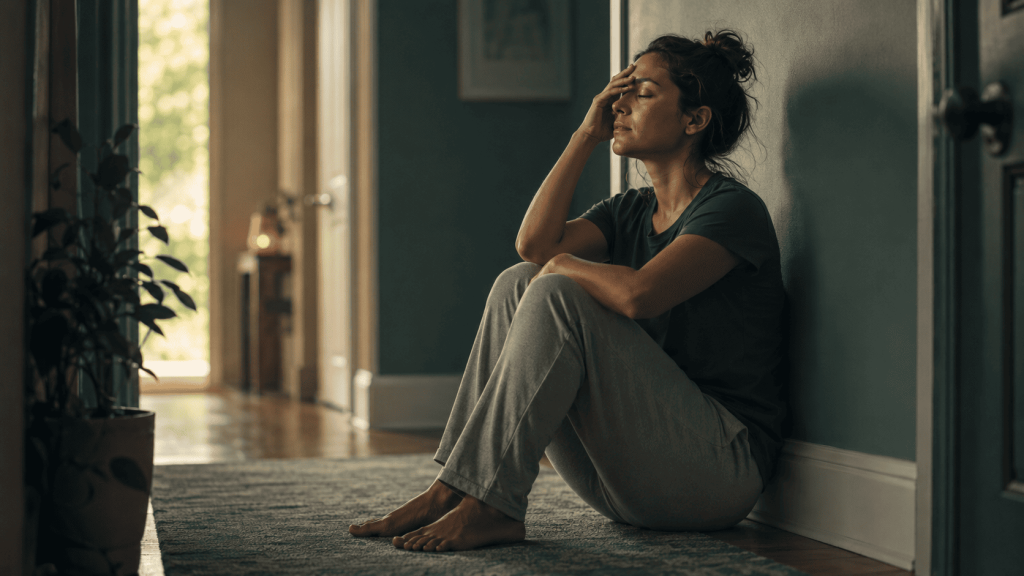
Anxiety breathing techniques are one of the simplest, most effective tools for calming your nervous system in real time. Box breathing, breathing in for four counts, holding for four, out for four, and holding again for four, is a good starting point. Another popular method is the 4-7-8 technique: breathe in for four seconds, hold for seven, and exhale slowly for eight. Practising these techniques regularly, not just during a crisis, helps train your body to settle more quickly when anxiety strikes.
Anxiety Exercises and Meditation
Regular physical activity is one of the most effective anxiety exercises available, helping to burn off excess adrenaline and boost mood-regulating chemicals in the brain. Even a brisk daily walk can make a measurable difference.
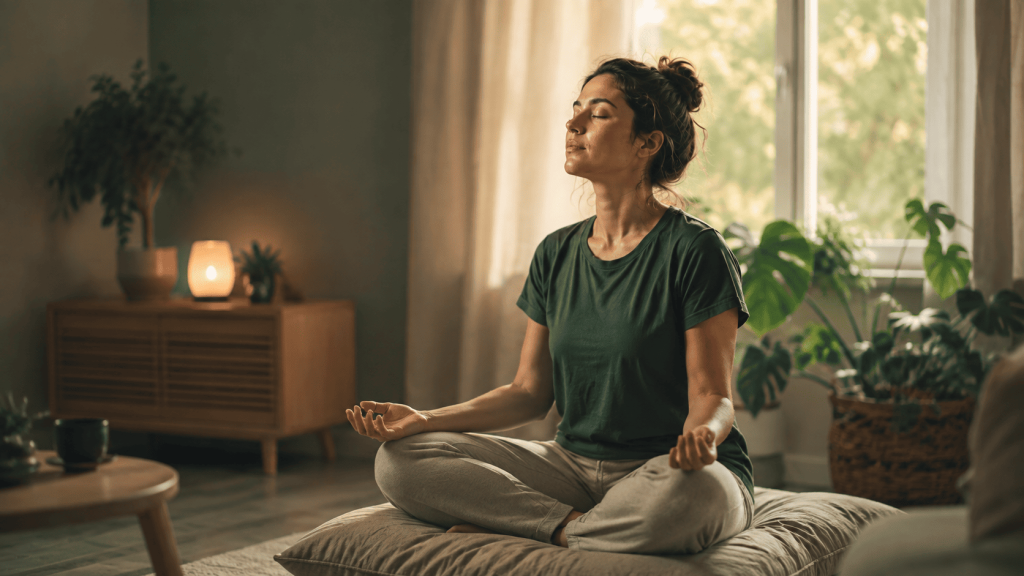
Anxiety meditation, particularly mindfulness-based practice, has also been shown to ease anxiety symptoms by training your attention away from anxious “what if” thinking and back to the present moment. Just ten minutes a day can help lower your baseline stress levels over time.
Anxiety Natural Remedies and Supplements
Many people look for anxiety natural remedies before or alongside medical treatment. Options such as chamomile, valerian root and certain anxiety supplements, including magnesium and L-theanine, are widely discussed, though the scientific evidence behind them varies considerably. Always speak to your doctor before starting a new supplement, particularly if you’re already taking anxiety drugs, as interactions are possible.
Reducing caffeine and alcohol can also make a noticeable difference, since both can worsen physical anxiety symptoms such as a racing heart and disturbed sleep.
Finding Anxiety Relief With Professional Support
Self-help strategies are valuable, but lasting anxiety relief usually comes from a combination of professional support and everyday habits. Cognitive behavioural therapy (CBT) is the most well-established talking therapy for anxiety disorders, helping you identify and gradually change the thought patterns and behaviours that keep anxiety going.
At Sua Clínica, our psychology team works with each person individually, combining assessment, psychotherapy and, where appropriate, coordination with a psychiatrist for medication. If you’d like to find out more, you can explore our psychology services or book an appointment with our team.
When to Seek Help
Anxiety disorders rarely improve on their own, and symptoms often become harder to manage the longer they’re left untreated. You should see a doctor if your anxiety interferes with work, relationships or daily activities, if you’re relying on alcohol or drugs to cope, or if you notice physical symptoms that concern you.
In rare cases, severe, untreated anxiety can contribute to feelings of hopelessness or thoughts of self-harm. If this applies to you, please reach out immediately: contact your GP, go to your nearest A&E, or call the Samaritans free, any time, on 116 123. You can also get in touch with us to be pointed in the right direction.
The Bottom Line
Anxiety symptoms, whether psychological or physical, are real, common and treatable. Understanding the difference between an anxiety attack and an anxiety disorder, recognising your own patterns (including why you might wake up with anxiety), and knowing which treatments are available can make the condition feel far less overwhelming.
If anxiety symptoms are affecting your daily life, you don’t have to manage them alone. Get in touch with Sua Clínica to speak to a professional and take the first step towards feeling better.