
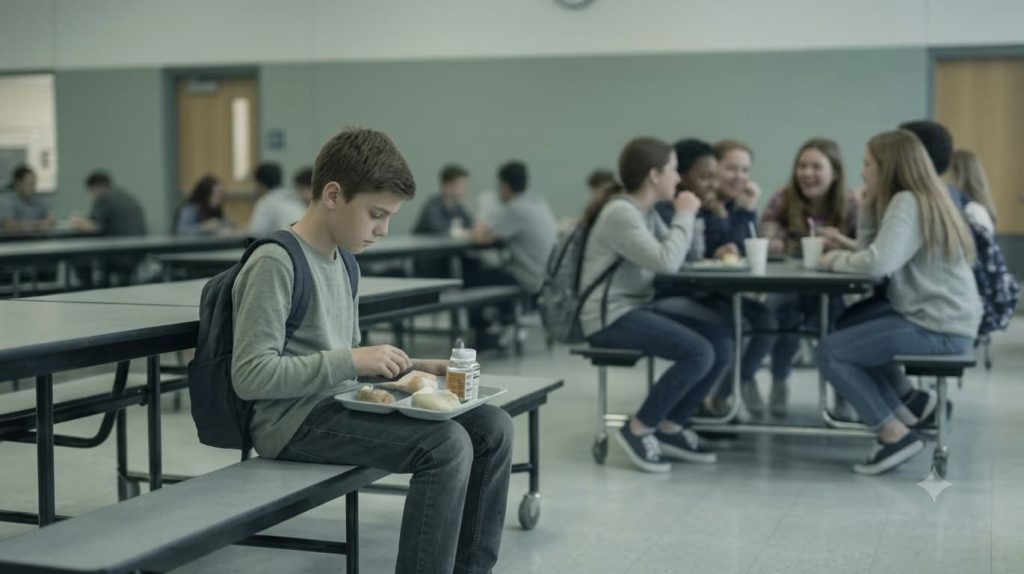
Maria is twelve years old. Every morning before school, she feels a knot in her stomach. She has stopped raising her hand in class, she eats lunch alone, and her grades have started to slip. Her parents notice she is quieter than usual, but when they ask if everything is okay, she just shrugs. What they don’t yet know is that a group of classmates has been mocking her online, spreading rumors about her in the group chat, and excluding her from every social plan. Maria is experiencing bullying — and she is far from alone.
Stories like Maria’s play out in classrooms, playgrounds, workplaces, and group chats all over the world every single day. Bullying is one of the most common sources of psychological distress in childhood and adolescence, yet it is still frequently minimized as “kids being kids” or “just a phase.” Understanding what it truly involves, how it affects mental health, and what can be done about it is the first step toward protecting the people we care about — and toward building healthier schools, families, and communities.
What Is Bullying? Meaning and Definition
The bullying definition used by health and education authorities centers on three key features. First, the behavior is intentional: someone means to cause harm. Second, there is a real or perceived imbalance of power – the person responsible may be physically stronger, more popular, hold embarrassing information, or simply outnumber their target. Third, and perhaps most important, the behavior is repeated, or has a strong potential to be repeated over time, as StopBullying.gov explains in its official definition.
This last point matters because it distinguishes real bullying from an isolated conflict or a one-off unkind comment. A single argument between two children of equal social standing, even if hurtful, is not usually classified this way. It is the pattern — the repetition, combined with the power imbalance – that turns aggressive behavior into something psychologically damaging: the person on the receiving end can never feel safe, because the threat is ongoing.
Types of Bullying: Physical, Verbal, Social and Online
When people picture this behavior, they often think of physical aggression – pushing, hitting, or taking someone’s belongings. But physical aggression is only one of several bullying types, and arguably not even the most common one.
- Verbal bullying involves name-calling, teasing, threats, and inappropriate or humiliating comments, said either face-to-face or in front of others.
- Social bullying, sometimes called relational bullying, is about damaging someone’s relationships and reputation. It includes deliberately excluding someone from a group, spreading rumors, encouraging others to stop being friends with someone, or humiliating them publicly. Because it can be subtle and hard for adults to detect, this form often goes on for a long time before anyone intervenes.
- Physical bullying covers hitting, kicking, tripping, spitting, or destroying someone’s belongings.
- Bullying online, or cyberbullying, has become one of the fastest-growing forms in recent years. It happens through text messages, social media, group chats, and online games, and includes sending hurtful messages, sharing embarrassing photos or videos, impersonating someone, or excluding them from online groups. What makes it particularly harmful is that it follows the victim everywhere — there is no safe space at home, no relief once the school day ends, and the humiliating content can be seen by an unlimited audience and never fully disappear.
It can happen anywhere: at school, at work, at home between siblings, in sports clubs, and increasingly online. It affects children and teenagers most visibly, but adults experience it too, particularly in workplace settings where the same dynamics of power imbalance and repeated hostility apply.
The Psychological Impact of Bullying
The consequences of being bullied go far beyond hurt feelings in the moment. Because the behavior is repeated and often unpredictable, it keeps the nervous system in a prolonged state of alert. Over time, this chronic stress response can lead to a wide range of emotional and psychological difficulties.
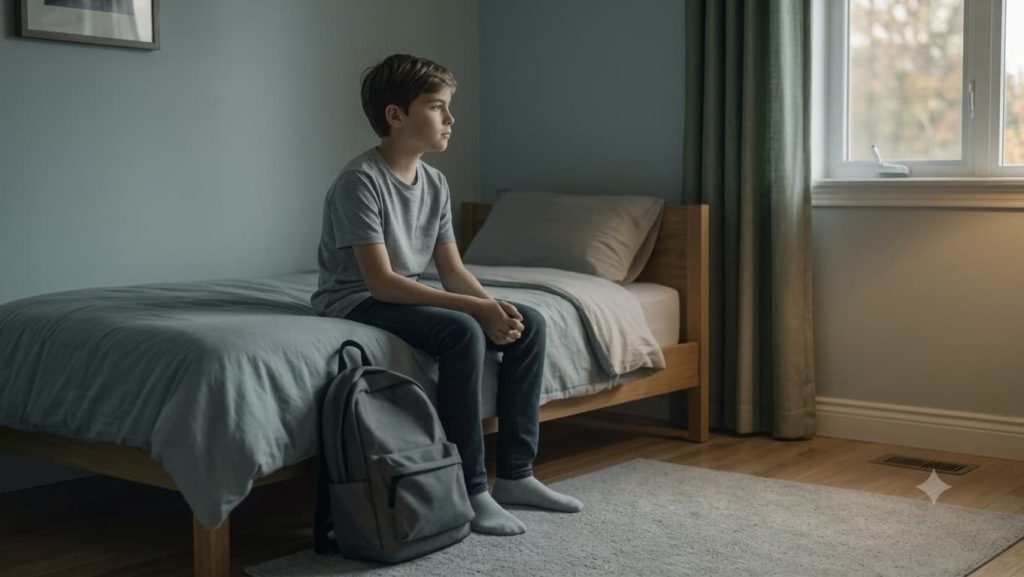
Children and teenagers who go through this commonly report feeling anxious, ashamed, and increasingly withdrawn from friends and family. Many begin to believe, mistakenly, that it is somehow their fault. This can evolve into persistent low self-esteem, difficulty trusting others, and — particularly when the situation is prolonged – symptoms of depression. Sleep problems, headaches, and stomach aches are also frequent physical signs that a child’s body is carrying psychological distress it cannot yet put into words.
Academic performance often suffers as concentration becomes harder and school itself starts to feel unsafe. Some young people begin to avoid school altogether, deepening their isolation. In more severe cases, prolonged bullying has been linked to serious mental health crises, including suicidal thoughts — which is why early recognition and intervention are so critical, not optional extras.
Importantly, the psychological impact is not limited to the person being targeted. Children who witness it without knowing how to respond can develop anxiety and guilt of their own – a difficulty closely related to broader anxiety symptoms we cover elsewhere on this blog – while those responsible are also more likely to struggle with aggression, low self-esteem, and mental health difficulties later in life. This dynamic damages the whole social environment in which it occurs, which is exactly why addressing bullying in schools deserves a whole-community response, not just a conversation between two children.
Recognizing the Signs of Bullying
Because many children don’t talk openly about what is happening to them – often out of shame, fear of retaliation, or worry that adults will make things worse — recognizing indirect signs becomes essential. Parents, teachers, and caregivers should pay attention to:
- Sudden reluctance to go to school or participate in previously enjoyed activities
- Unexplained bruises, torn clothing, or missing belongings
- Changes in eating or sleeping patterns
- Increased secretiveness, especially around phones or social media
- Mood swings, irritability, or frequent crying
- A drop in academic performance
- Comments that suggest low self-worth (“nobody likes me,” “I’m stupid”)
None of these signs alone is definitive proof, but taken together — and especially when they represent a change from a child’s usual behavior – they warrant a calm, non-judgmental conversation. Healthdirect Australia’s guide to recognizing bullying offers a useful checklist for parents who are unsure what to look for.
How to Stop Bullying: Practical Solutions
Addressing this problem effectively requires action on several levels at once.
Support for the Person Experiencing Bullying
The single most protective factor is having at least one trusted adult to talk to – a parent, teacher, school counselor, or family doctor. Being believed and supported reduces feelings of isolation and shame far more than any single intervention aimed at “toughening up” or ignoring the behavior. Encouraging a child to document incidents (especially when it happens online, where screenshots provide clear evidence) also helps adults intervene effectively.
For Parents and Caregivers
Staying calm, listening without immediately jumping to solutions, and reassuring the child that it is not their fault are essential first steps. From there, working with the school to develop a concrete action plan – rather than confronting the other child or family directly — tends to produce safer, more lasting outcomes.
For Schools: Addressing Bullying in Schools
Consistent, clearly communicated anti-bullying policies, active supervision in unstructured spaces like hallways and playgrounds, and programs that teach bystanders how to safely intervene all make a measurable difference. Schools that treat the problem as systemic – rather than isolated incidents to be handled case by case – tend to see the sharpest reductions over time.

Professional Support Matters Too
When the psychological impact has already led to anxiety, depression, sleep disturbances, or a marked change in behavior, involving a psychologist can help a child process what happened, rebuild self-esteem, and develop healthy coping strategies. This is especially important when emotional effects persist even after the situation itself has stopped, since these wounds don’t always heal as quickly as things resolve on paper. If you’re looking for specialized support, our child and adolescent psychology consultations are a good place to start.
Moving Forward: Preventing Bullying Together
This behavior thrives in silence and isolation, and it loses power the moment it is named, witnessed, and addressed with consistency and care. Whether it takes place on a playground, in a classroom, or through a phone screen, the pattern is the same: repeated harm that erodes a person’s sense of safety and self-worth over time.
Recognizing the different bullying types, understanding the psychological impact behind the behavior changes we observe, and knowing when to seek professional support can make the difference between a difficult chapter and a lasting wound. If you are concerned about a child, a student, or even your own experience with bullying – at school, at work, or online – reaching out to a mental health professional is a meaningful and effective step toward healing and building resilience for whatever comes next.